Introduction
In today’s fast-paced work environment, the significance of ergonomics cannot be overstated. Ergonomics, the science of designing a workspace to fit the needs of the worker, has gained traction as a vital component of employee health and productivity. As organizations increasingly recognize the importance of creating a comfortable work environment, the principles of ergonomics are being applied to enhance both physical well-being and overall work performance.
This article explores the multifaceted impact of ergonomic solutions in modern workplaces. We will delve into how these solutions not only improve employee comfort but also significantly boost productivity and job satisfaction. By examining the various ergonomic tools and strategies available, as well as their implementation challenges, we aim to provide a comprehensive overview of the role ergonomics plays in the contemporary workforce.
The Impact of Ergonomics on Employee Well-Being
Physical Health Benefits
One of the foremost advantages of ergonomic solutions is the improvement in physical health. Poor workstation design can lead to musculoskeletal disorders (MSDs), which include back pain, neck strain, carpal tunnel syndrome, and other ailments. By investing in ergonomic equipment, such as adjustable chairs and desks, organizations can significantly reduce these risks. Studies show that employees using ergonomic tools report fewer musculoskeletal issues, leading to lower healthcare costs for businesses and improved employee morale.
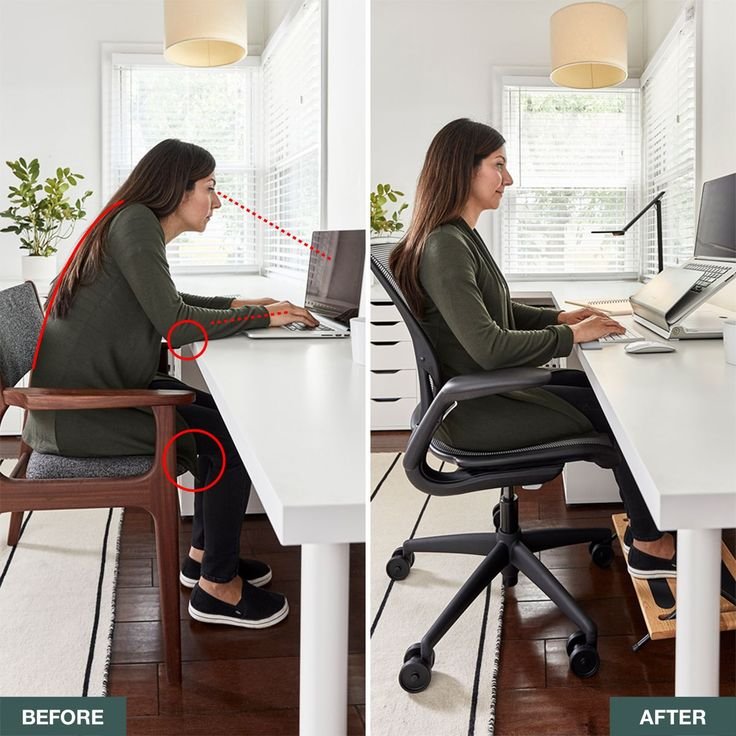
Furthermore, ergonomic practices encourage better posture and movement. By designing workspaces that promote natural body positioning, employers can help reduce strain on muscles and joints. This proactive approach not only fosters a healthier workforce but also diminishes the likelihood of chronic conditions related to poor ergonomics, creating a long-term positive impact on employee health.
Mental Health Considerations
Ergonomics also plays a crucial role in mental well-being. A cluttered and uncomfortable workspace can lead to increased stress and anxiety among employees. When individuals feel physically uncomfortable, their focus often shifts away from their tasks, leading to decreased productivity and heightened frustration. Conversely, an ergonomically designed workspace promotes a sense of control and well-being, which can enhance mental health.
Research indicates that employees in ergonomically optimized environments demonstrate improved mental clarity, creativity, and overall job satisfaction. By addressing the psychological aspects of workplace design, organizations can foster a more positive culture, ultimately leading to higher engagement levels and lower turnover rates.
Long-Term Health Implications
The long-term impact of neglecting ergonomic solutions can be significant. Employees who suffer from chronic pain due to poor workplace design may eventually seek to leave their jobs or require extensive medical intervention, which can be costly for both the individual and employer. By implementing ergonomic solutions early, organizations can mitigate these long-term health implications, paving the way for a more sustainable workforce.
Moreover, investing in ergonomics can strengthen the organization’s reputation. Companies known for prioritizing employee health tend to attract top talent and maintain a competitive edge in the industry. Therefore, the integration of ergonomic principles is not just a health measure; it is a strategic business decision.
Enhancing Productivity Through Ergonomic Solutions
Correlation Between Comfort and Performance
There is a clear correlation between employee comfort and performance. Ergonomically designed workspaces can lead to fewer distractions and discomfort-related breaks, which in turn enhances productivity. When employees are comfortable, they are more likely to stay focused on their tasks and produce higher quality work. This relationship underscores the value of investing in ergonomic solutions as a means to bolster organizational performance.
Additionally, a well-designed workspace can facilitate better collaboration and communication among team members. Open-plan offices equipped with ergonomic furniture can encourage teamwork while ensuring individual comfort. Ultimately, the integration of ergonomic solutions serves to create a more effective and productive workforce.
Reducing Absenteeism and Improving Retention
High rates of absenteeism often stem from health-related issues, some of which can be traced back to poor ergonomic practices. By implementing ergonomic solutions, organizations can reduce the incidence of workplace injuries and illnesses, thereby decreasing absenteeism. Studies have shown that companies that prioritize ergonomics experience lower rates of employee absence, which leads to significant cost savings in terms of lost productivity and replacement hiring.
Moreover, improving workplace ergonomics can enhance employee retention. A workspace that prioritizes comfort and health sends a strong message to employees that their well-being is valued. This commitment can foster loyalty and reduce turnover rates, which can be especially costly for organizations in terms of training and recruitment.
Case Studies Highlighting Productivity Gains
Numerous case studies exemplify the tangible productivity gains associated with ergonomic interventions. For instance, a major technology company implemented adjustable desks and ergonomic chairs across its offices. Within a year, the company recorded a 20% increase in productivity and a significant decline in employee complaints about discomfort. Another organization, focused on employee well-being, saw a marked reduction in sick days taken after transitioning to ergonomic equipment, resulting in cost savings that exceeded their initial investment in ergonomic solutions.
These examples illustrate that the integration of ergonomic principles not only cultivates a healthier workforce but also yields substantial returns on investment through enhanced productivity and reduced healthcare costs.
Common Ergonomic Solutions for Workspaces
Adjustable Desks
Adjustable desks, also known as sit-stand desks, are among the most popular ergonomic solutions available today. They allow employees to alternate between sitting and standing throughout the workday, which can alleviate the negative effects of prolonged sitting. Research indicates that using adjustable desks can lead to increased energy levels, improved mood, and even greater productivity.
Employers considering this option should ensure that desks are easily adjustable and suited to the heights of various employees. Providing proper training on how to use adjustable desks effectively is also crucial to maximizing their benefits.
Ergonomic Chairs
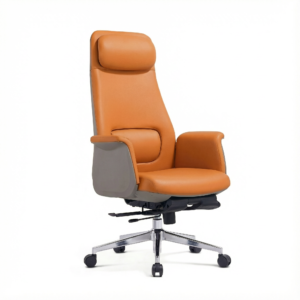
Ergonomic chairs are designed to support the natural curvature of the spine and promote healthy posture. Key features include adjustable armrests, lumbar support, and seat height adjustments. Investing in high-quality ergonomic chairs can significantly reduce back and neck pain, enhancing employee comfort and productivity. Best Ergonomic Chair
When selecting ergonomic chairs, organizations should consider the specific needs of their workforce. Providing various options ensures that all employees can find a chair that suits their individual comfort and support requirements.
Keyboard and Mouse Design
The design of keyboards and mice can greatly impact an employee’s ergonomic experience. Ergonomic keyboards are often split or curved to minimize strain on the wrists and forearms, while ergonomic mice are designed to fit the natural hand position. Switching to these ergonomic tools can greatly reduce the risk of repetitive strain injuries, especially in jobs that require extensive computer use.
Providing employees with education on the proper techniques for using these devices is equally important. Simple adjustments, such as the positioning of the keyboard and mouse, can lead to significant improvements in comfort and productivity.
Proper Lighting and Workspace Layout
Lighting and workspace layout play critical roles in creating an ergonomic environment. Poor lighting can lead to eye strain and discomfort, which can detract from an employee’s ability to focus. Utilizing adequate task lighting and ensuring that natural light is maximized can enhance overall workspace comfort.
In addition to lighting, workspace layout should facilitate ease of movement and accessibility. Clutter-free desks and organized work areas can help reduce distractions and promote a more efficient work environment. Designing spaces that allow for easy access to frequently used items can enhance workflow and productivity.
Implementing Ergonomic Solutions in the Workplace
Assessing Current Workspace Conditions
The first step in implementing ergonomic solutions is to assess the current workspace conditions. This involves analyzing the existing layout, equipment, and practices to identify areas that may contribute to discomfort or inefficiency. Employers can solicit feedback from employees regarding their experiences and any pain points they may encounter throughout their workday.
Engaging employees in this assessment process not only empowers them but also provides valuable insights that can inform ergonomic improvements. Conducting ergonomic assessments can be undertaken by internal teams or external specialists who can provide expert recommendations tailored to the specific needs of the organization.
Employee Involvement and Feedback
Employee involvement is paramount during the implementation of ergonomic solutions. In order to ensure that the changes meet the actual needs of the workforce, it is essential to incorporate employee feedback into the decision-making process. This can be achieved through surveys, focus groups, or workshops where employees can express their opinions on proposed ergonomic interventions.
By fostering an inclusive approach, organizations can build a culture of ergonomics and employee engagement, increasing the likelihood of successful implementation and acceptance of ergonomic tools and practices.
Budget Considerations and ROI
Budget considerations are often a significant factor in the decision to implement ergonomic solutions. While the initial investment might appear substantial, it is essential to consider the long-term return on investment (ROI). Many organizations find that the costs associated with ergonomic tools are offset by the reduction in healthcare expenses, decreased absenteeism, and improved productivity.
To illustrate this point, companies should conduct a cost-benefit analysis that takes into account potential savings from reduced employee turnover, lower medical claims, and increased output. By framing ergonomic solutions as not just an expense but a strategic investment in employee well-being and organizational success, employers can make a compelling case for the adoption of ergonomic practices.
Challenges and Misconceptions About Ergonomics
Cost Concerns
One of the most common challenges faced by organizations is the perception that ergonomic solutions are too costly. While high-quality ergonomic equipment can require a significant upfront investment, the long-term benefits far outweigh these initial costs. Employers can mitigate financial concerns by gradually implementing ergonomic interventions and focusing on cost-effective solutions, such as training employees on better posture and workspace organization.
Moreover, the potential return on investment, including reduced employee turnover and healthcare costs, often justifies these expenditures. By shifting the focus from short-term financial outlay to long-term health benefits and productivity gains, organizations can better assess the value of ergonomic investments.
Perceived Complexity of Implementation
Another misconception about ergonomics is the belief that implementation is overly complex and time-consuming. In reality, many ergonomic solutions can be introduced with relatively little disruption to daily operations. Simple adjustments, such as rearranging workspace layouts or providing ergonomic training sessions, can yield substantial benefits without requiring extensive planning or resources.
Resistance to Change
Resistance to change is often a barrier to the successful implementation of ergonomic solutions. Employees who are accustomed to their existing work environments may be hesitant to adopt new practices or equipment. To combat this, organizations should emphasize the benefits of ergonomic solutions, highlighting improvements in comfort and productivity.
Additionally, involving employees in the decision-making process can help alleviate concerns and foster a sense of ownership over the changes. Providing comprehensive training on the use of new ergonomic tools and practices can also facilitate a smoother transition and encourage acceptance of the changes.
Conclusion
Summary of Key Points
In summary, ergonomic solutions play a critical role in modern workspaces by enhancing employee comfort, promoting physical and mental health, and boosting productivity. Through the integration of ergonomic tools such as adjustable desks, ergonomic chairs, and proper workspace layouts, organizations can create a healthier and more efficient work environment. While challenges such as cost concerns and resistance to change may arise, the potential benefits far outweigh these hurdles.
Future of Ergonomics in Workspaces
As the workforce continues to evolve, the importance of ergonomics will only grow. The rise of remote work and flexible arrangements demands an even greater focus on creating ergonomic home office environments, ensuring that employees remain comfortable and productive regardless of their location. By prioritizing ergonomic solutions, organizations can foster a culture of health and wellness that not only benefits employees but also enhances organizational success.
FAQs
What are some common signs of poor ergonomics in the workplace?
Common signs of poor ergonomics include frequent discomfort or pain in the back, neck, and shoulders, difficulty concentrating, and increased fatigue. Employees may also experience headaches or vision issues, particularly in poorly lit environments. International Ergonomics & Human Factors Association
How can I encourage my employer to implement ergonomic solutions?
To encourage your employer to adopt ergonomic solutions, you can present evidence of the benefits, such as improved health outcomes and increased productivity. Engaging in discussions about employee well-being and sharing personal experiences can also help build a case for ergonomic improvements.
Are ergonomic tools expensive?
The cost of ergonomic tools can vary widely depending on the type and quality of the equipment. While some options may have a higher upfront cost, the long-term benefits often justify the investment in terms of reduced healthcare expenses and improved employee productivity.
Can I create an ergonomic workspace at home?
Yes, it is possible to create an ergonomic workspace at home. Simple adjustments to your desk height, chair support, and the arrangement of your computer monitor can help improve comfort and reduce strain. There are many affordable ergonomic tools available for home offices as well.
How often should I take breaks at my workstation?
It is generally recommended to take short breaks every 30 to 60 minutes. During these breaks, you should stand, stretch, and move around to alleviate tension and improve circulation. Regular breaks can enhance overall comfort and productivity.